Beyond Vanity Metrics: What Chatbot ROI Really Looks Like
You have deployed a chatbot. Conversations are happening. But is it actually making money? Most businesses track surface-level metrics like total conversations or response time, missing the metrics that truly determine chatbot ROI. Measuring conversational AI effectiveness requires connecting chat data to business outcomes — revenue generated, costs saved, and customer satisfaction improved.
The Chatbot Analytics Framework
A robust chatbot analytics framework operates on three tiers. Tier 1 covers operational metrics: response time, uptime, and containment rate (conversations resolved without human handoff). Tier 2 tracks engagement quality: conversation completion rates, user satisfaction scores, and intent recognition accuracy. Tier 3 — the most critical — measures business impact: leads generated, sales converted, support tickets deflected, and revenue attributed to chatbot interactions.
Key Metrics Every Business Should Track
Containment rate reveals self-service effectiveness — top-performing chatbots achieve 70-85% containment. Goal completion rate shows how often users accomplish their intended task. Fallback rate indicates how frequently the bot fails to understand user intent. Customer satisfaction (CSAT) post-chat surveys provide direct feedback. And cost per resolution compared to human agents quantifies the financial impact — typically 5-10x cheaper per interaction.
Calculating True Chatbot ROI
The ROI formula is straightforward: (Value Generated - Total Cost) / Total Cost × 100. Value generated includes support cost savings (agents not needed), revenue from chatbot-assisted sales, reduced cart abandonment, and faster response-driven customer retention. Total cost encompasses platform fees, development, training data curation, and ongoing maintenance. Indian businesses typically see 150-300% ROI within 12 months of deployment.
Common Analytics Mistakes
The biggest mistake is measuring conversations instead of outcomes. A chatbot handling 10,000 conversations monthly means nothing if it is not resolving issues or driving sales. Other pitfalls include ignoring escalation quality (are handoffs smooth?), not segmenting by channel (WhatsApp vs web chat perform differently), and failing to track the full customer journey beyond the chat window.
Building Your Analytics Dashboard
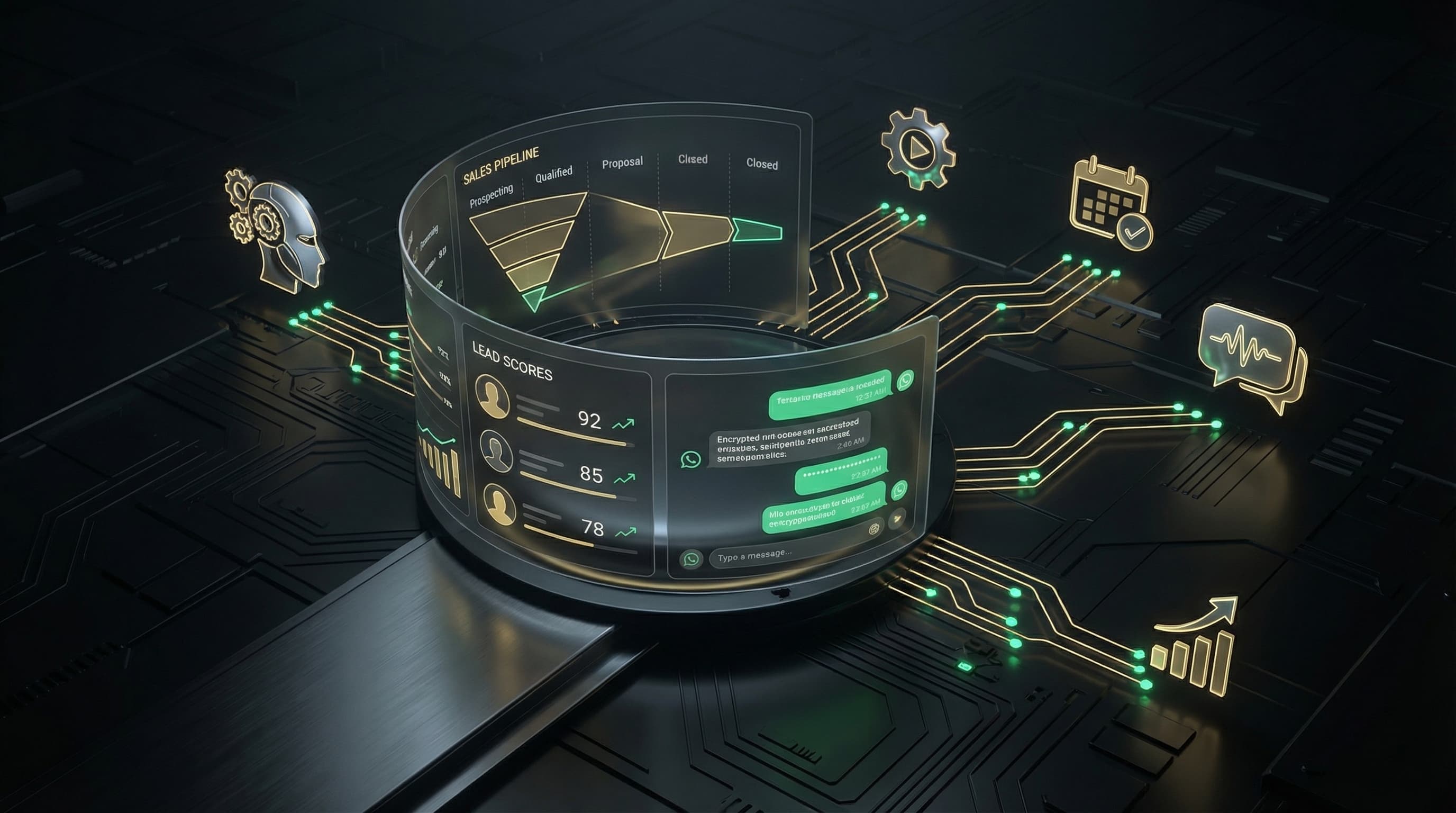
Your chatbot dashboard should display real-time containment rates, daily goal completions, weekly CSAT trends, and monthly ROI calculations. Set up automated alerts for falling containment rates or rising fallback rates — these signal training data gaps. Review conversation transcripts weekly to identify new intents and improvement opportunities. The best chatbot teams treat analytics as a continuous improvement engine, not a reporting afterthought.